In his book, The Third Plate, Chef Dan Barber uses the carrot to describe his vision for a revolution in not only what and how we eat, but how we cultivate it. Chef Barber sees the day when our diets move from being so heavily protein centric with the generic sides so many of us are used to, to more of a focus on ethically cultivated vegetables, fruits and grains accentuated by proteins. Case in point is his example of a carrot steak, accompanied by a sauce made from underutilized cuts of meat. So let’s take a look at this carrot shall we.
There is so much more to carrots than simply being a component in mire poix, a partner to peas in that veg mix a lot of us got as kids or the main ingredient in carrot cakes. Carrots as we know them today are actually the product of a great deal of selective breeding. Carrots or Daucus Carota, their scientific name, are native to Europe as well as regions of Iran and Afghanistan where their first harvesting took place and their native form, in fact, more resembled the parsnip to which they are closely related. Initially, carrots were not harvested for their roots but rather their seeds and aromatic greens, much like some their other close relations parsley, cilantro, fennel, dill and anise. Kind of ironic that it is now the root we so highly prize. It is believed that carrots, in their original form, were introduced to Europe by the Moors, during their conquest of Spain in the Middle Ages.
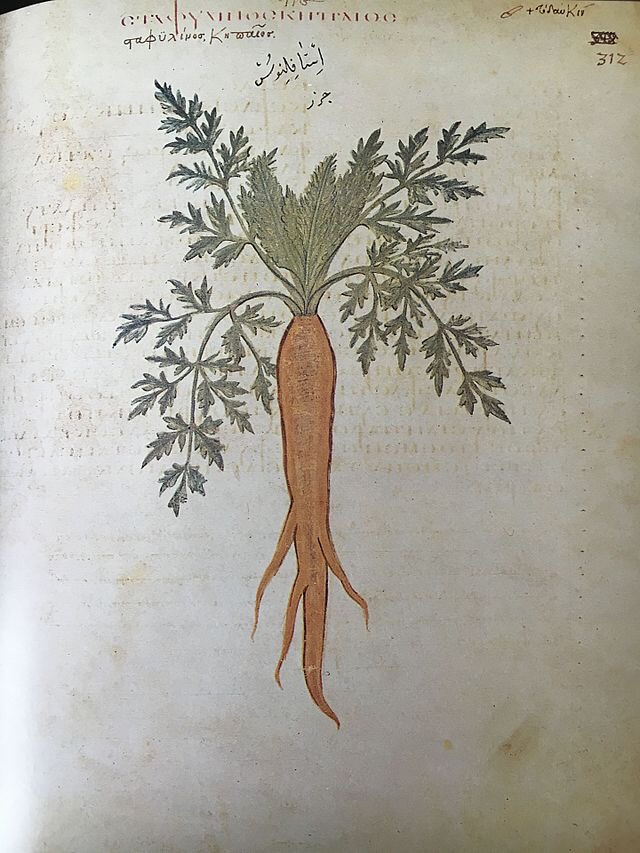
Over time, a desire to increase the sweetness, decrease the bitterness and reduce the woody nature of the core led to the slow, selective breeding of the carrot that has produced at least 175 different varieties to count. Along the way the very pale almost white color of the native carrot has spawned into a rainbow of hues such as purple, orange, black and red. There are countless sizes available as well, stemming from the large bulk carrots that often find their way into stews and deer feed, to the thin, tender heirloom carrots and the small thumb carrots.
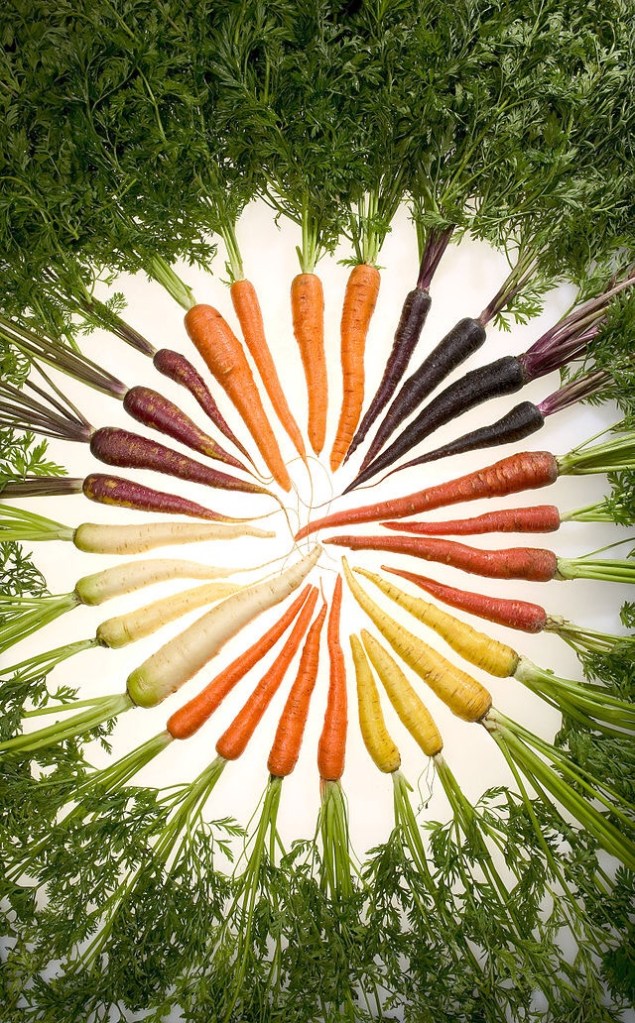
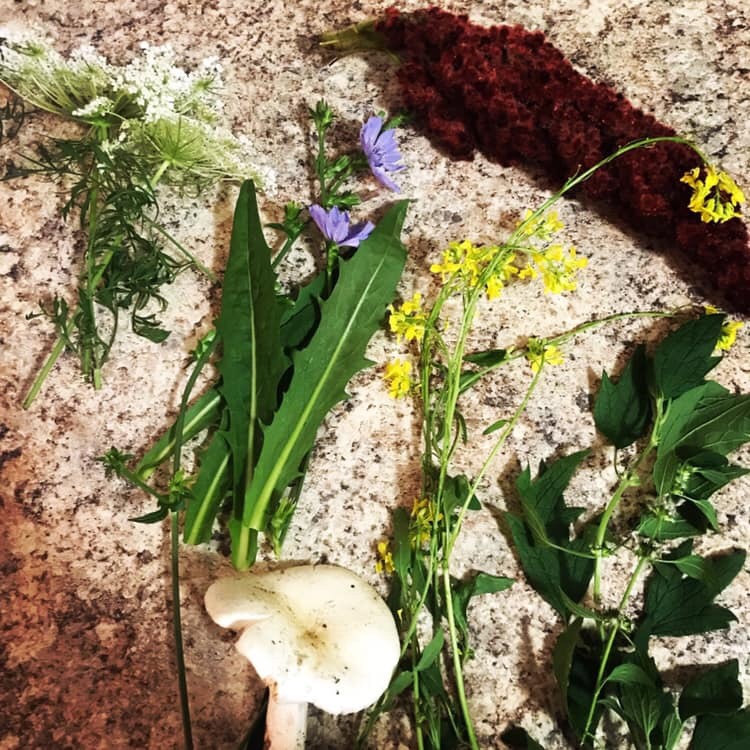
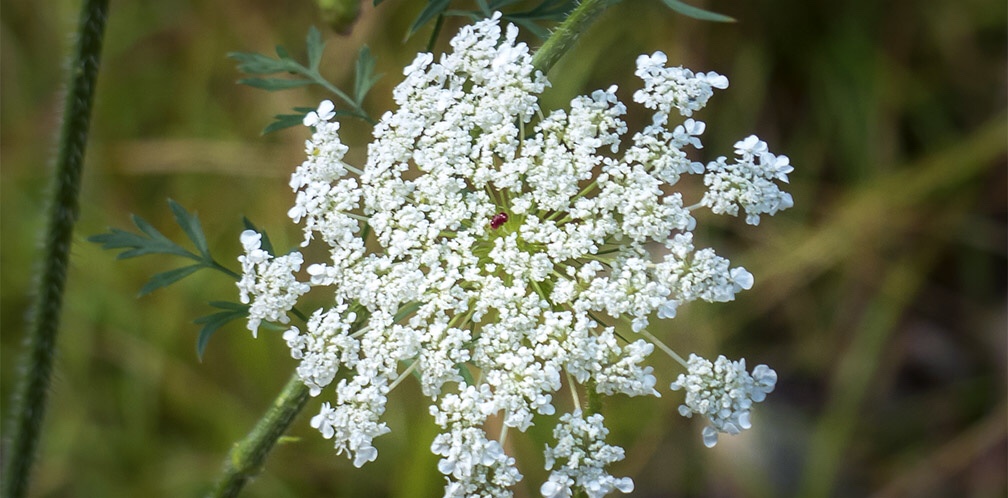
From a culinary aspect, carrots are both extremely versatile and nutritious. Their fibrous character and stored sweetness make them the perfect fit for puddings in England, chutneys in India, roasting to accompany lamb or goat in North Africa or shredding to bake into a cake in the American South. Carrots are also rich in both anthrocyanins, powerful anti-oxidants and alpha- and beta-carotenes, both rich sources of vitamin A. Unfortunately, the story we were always told about eating all our carrots for strong eyes is false. Carrots even sometimes find their way into wedding and Mother’s Day bouquets in the form of Queen Anne’s Lace which is the flowering stage of the carrot in its original, native form. Queen Anne’s Lace is actually one of the items I discovered my first day of foraging for wild, edible sources of food. When the plant flowers, however, it is then too far along in growth for the root to be palatable.
I hope you’ve enjoyed this journey through the world of carrotdom. It’s part of my intention with this blog to find things I don’t know and learn them while sharing them with others. Being a cook, being a chef, is about always realizing you don’t know anywhere close to all there is to know about cooking. I feel there’s something inherently exciting and inspiring about that. Til next time, keep cooking!
 MI Kitchen